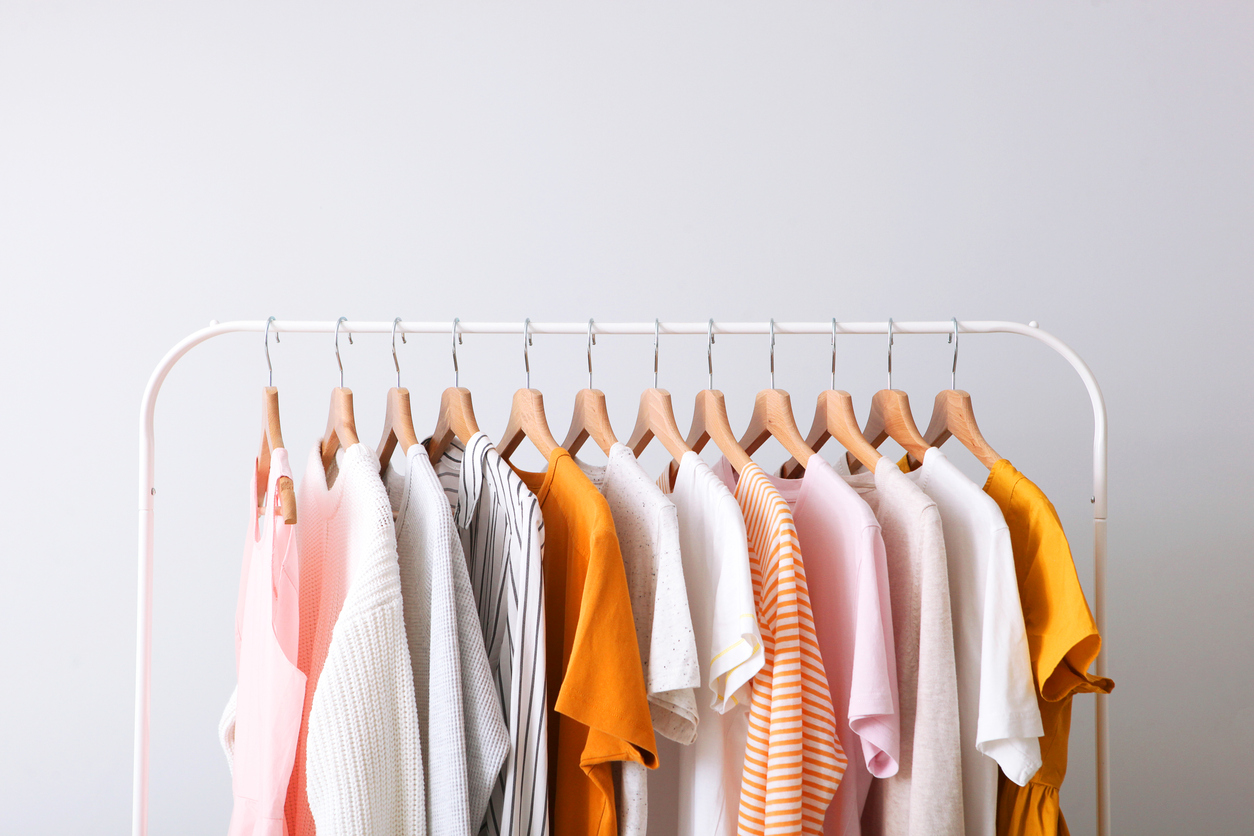
Exploring Sustainable Fashion: A Path to a Greener Future
Sustainable fashion is the practice of creating and consuming clothing, footwear, and accessories in an eco-friendly manner. This means making conscious decisions about the materials used in production, ensuring ethical labor practices, reducing waste whenever possible, and investing in renewable energy sources. It also includes educating consumers about the importance of sustainable fashion and inspiring them to make more responsible choices.
The production of fashion plays a significant role in our environmental impact. From the water used to color and dye fabrics, to the carbon emissions produced by shipping garments around the world, these activities can have a serious effect on our planet’s resources. By investing in sustainable fashion, we can help to reduce this impact.
When it comes to sustainable fashion, one of the most important steps is choosing materials that are eco-friendly and long-lasting. Natural fibers like silk, bamboo, hemp, and organic cotton have a much lower environmental footprint than man-made fabrics such as rayon and polyester. Additionally, natural fibers are often softer and more comfortable. Furthermore, when it comes to long-lasting garments, look for items made with high-quality tailoring and stitching techniques like single-needle construction or hand-stitched buttons.
Another important step in exploring sustainable fashion is making sure that the companies we purchase from use ethical labor practices. Many fast fashion companies rely on low-wage labor in developing countries, often with unsafe working conditions and no protections for workers’ rights. To protect both people and the planet, it’s important to find brands that are dedicated to fair labor practices.
In addition to choosing eco-friendly materials and ethical labor practices, reducing waste is also a key component of sustainable fashion. When possible, purchase secondhand items or rent clothing rather than buying new. Many online stores also offer options for recycling or donating clothing, which helps to keep garments out of landfills.
Finally, another great way to reduce the environmental impact of fashion is to buy less and invest in quality pieces that will last longer. Look for items made from durable materials such as wool and denim that can be worn season after season. Avoid fast fashion trends that may be fashionable now but outdated next year. And when an item of clothing does wear out, consider repairing or upcycling it before disposing of it altogether.
By making conscious choices about the materials we use and where our clothes come from, we can make a big difference in protecting the environment and promoting positive working conditions. Sustainable fashion is an increasingly important issue, and by taking these simple steps we can all play a part in making sure that fashion is as sustainable as possible.
When shopping for new clothes, look for brands that are certified by environmental organizations such as the Global Organic Textile Standard (GOTS) or the Responsible Down Standard (RDS). Brands that have achieved these certifications are committed to responsible production processes and meeting higher standards of sustainability, which is the best way to ensure that your clothing is both ethically and sustainably made. Additionally, look for brands that utilize regenerative agriculture techniques such as crop rotation and composting in order to reduce their carbon footprint.
Another way to make sure you’re buying sustainable fashion is by supporting those that are transparent about their supply chains. Look for brands that disclose where they source their materials, how the items are produced and what standards they adhere to. This will help ensure that you’re only purchasing clothing from companies who are committed to ethical production and sustainability practices.
Sustainable fashion doesn’t have to be expensive, either. There are plenty of affordable brands out there that prioritize sustainability over price. Check for labels such as ‘fair trade’, ‘eco-friendly’ or ‘organic cotton’ when shopping to make sure you’re getting the most sustainable products on offer.